Use Cases


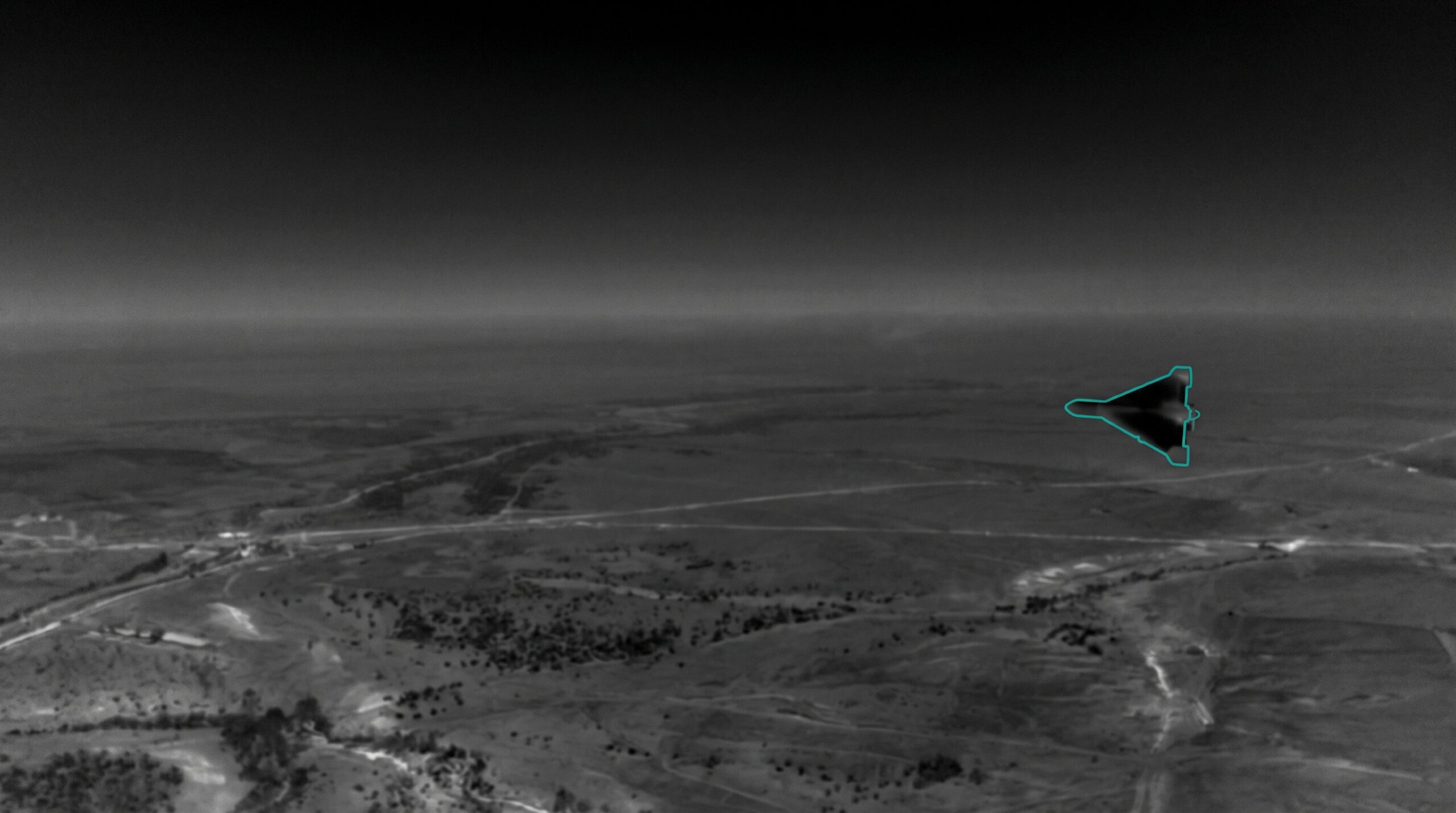
Use Case
SEE IT IN ACTION
See Latent AI detect, track, and reacquire small UAS targets on embedded hardware in real-world conditions.
use case
Small UAS can move fast, appear at low pixel counts, and disappear into clutter. Latent AI adds vision-based detection and tracking to the C-UAS systems already in the field. Run perception across EO/IR sensors on embedded hardware, maintain track through motion and occlusion, and cue existing systems without replacing the sensors, compute, or platforms you already operate.
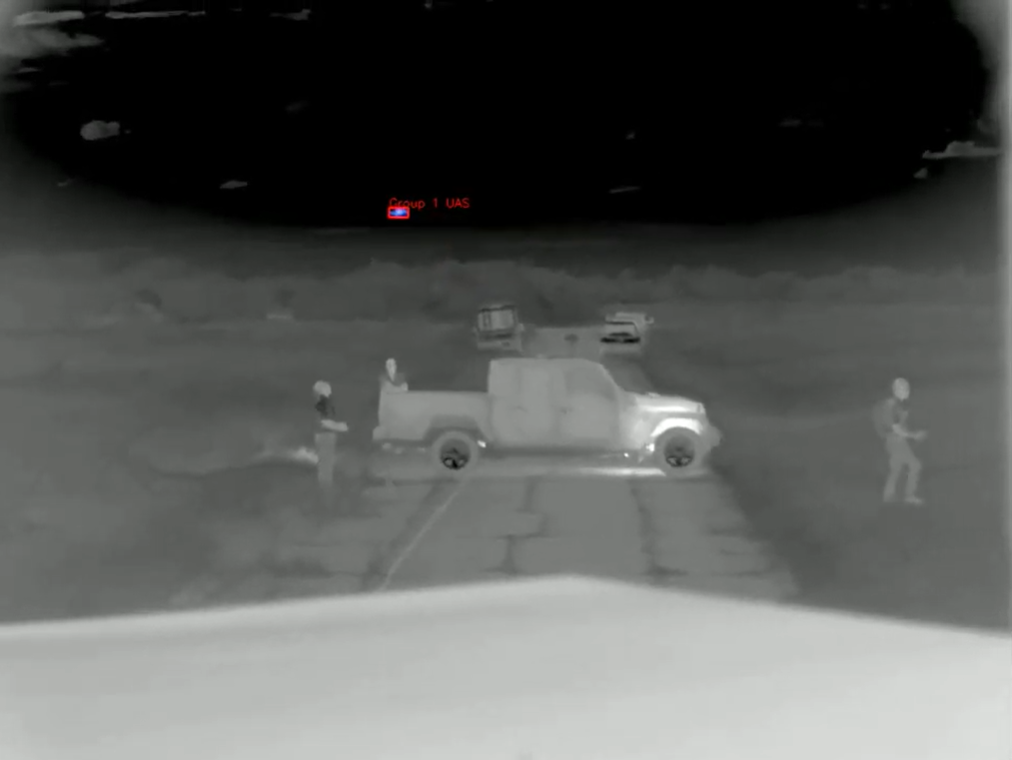
demonstrated performance
detection demonstrated
m/s target velocity demonstrated
frames to reacquire a target after full occlusion
WHAT IT ENABLES
Maintain independent tracks, IDs, and histories across multiple UAS in the same scene, giving operators persistent target information without manually reacquiring each threat.
Inference runs onboard, so detection and tracking continue through denied, degraded, and disconnected conditions without cloud connectivity or a continuous datalink.
Cue known or unknown targets from a single observation, detector output, or sensor handoff. Latent AI supports rapid model updates at the edge as mission requirements and target signatures evolve.
THE C-UAS CHALLENGE
the problem
Small UAS can fly fast, appear at low pixel counts, and disappear behind terrain, structures, foliage, and other clutter. Static detection models can struggle with threats they were not trained to recognize, while conventional trackers can lose custody when a target changes appearance or leaves the frame.
When the track drops, the operator has to find the target again.
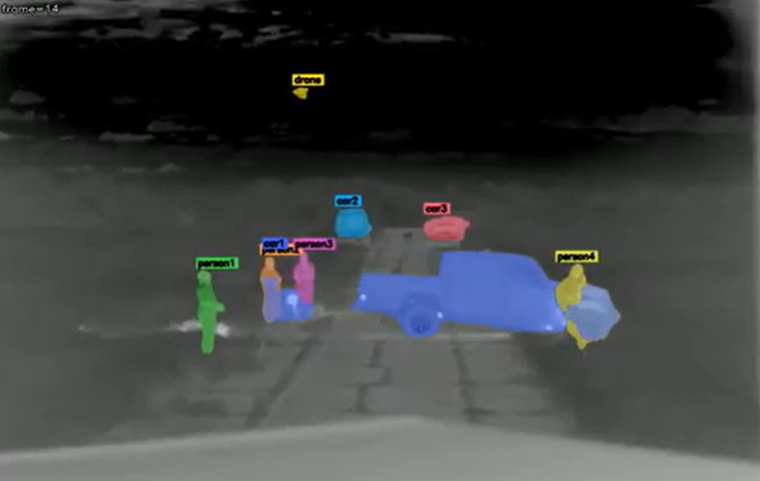
the solution
Latent AI adds a perception layer between your sensors and C2. It detects and tracks small UAS across EO/IR video, maintains target custody through motion and occlusion, and provides structured tracks to the systems already responsible for command and effect.
Foundation-model-based perception is optimized for constrained tactical hardware, bringing advanced perception to the edge without requiring cloud connectivity or a larger compute payload.
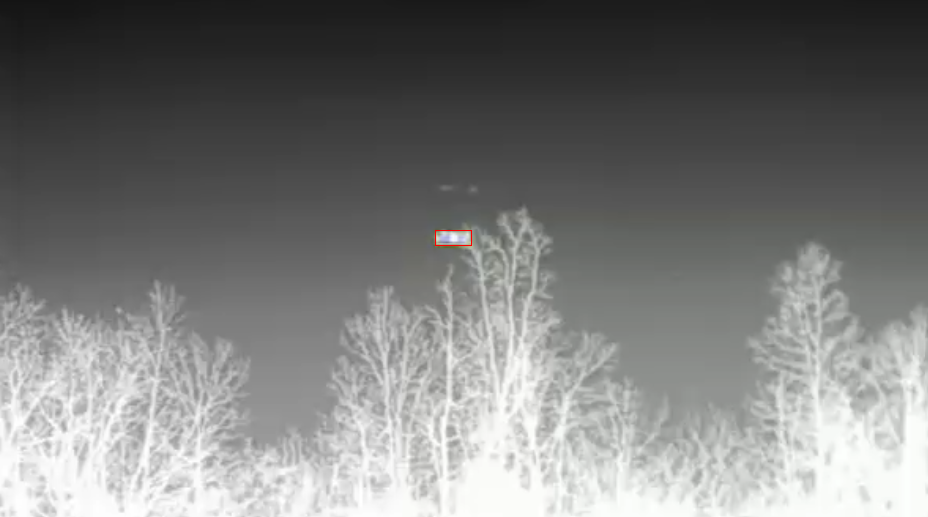
the problem
Small UAS can fly fast, appear at low pixel counts, and disappear behind terrain, structures, foliage, and other clutter. Static detection models can struggle with threats they were not trained to recognize, while conventional trackers can lose custody when a target changes appearance or leaves the frame.
When the track drops, the operator has to find the target again.
the solution
Latent AI adds a perception layer between your sensors and C2. It detects and tracks small UAS across EO/IR video, maintains target custody through motion and occlusion, and provides structured tracks to the systems already responsible for command and effect.
Foundation-model-based perception is optimized for constrained tactical hardware, bringing advanced perception to the edge without requiring cloud connectivity or a larger compute payload.
field proven

Integrated detection and tracking with EO/IR sensors, C2, edge compute, and tactical networks from multiple partners in 48 hours.

Interoperability across autonomous systems and mission partners.
Active C-UAS contract focused on bringing AI perception to tactical systems.
Schedule a meeting with an AI expert today.
RESOURCES