
Skip to content

Use Case

Automatic target recognition for drones

FOUNDATION-MODEL PERCEPTION 

Advanced perception, optimized for the edge 

Foundation-model-based perception brings robust target understanding to resource-constrained edge hardware. 

use case

Put advanced perception on the drone you already fly

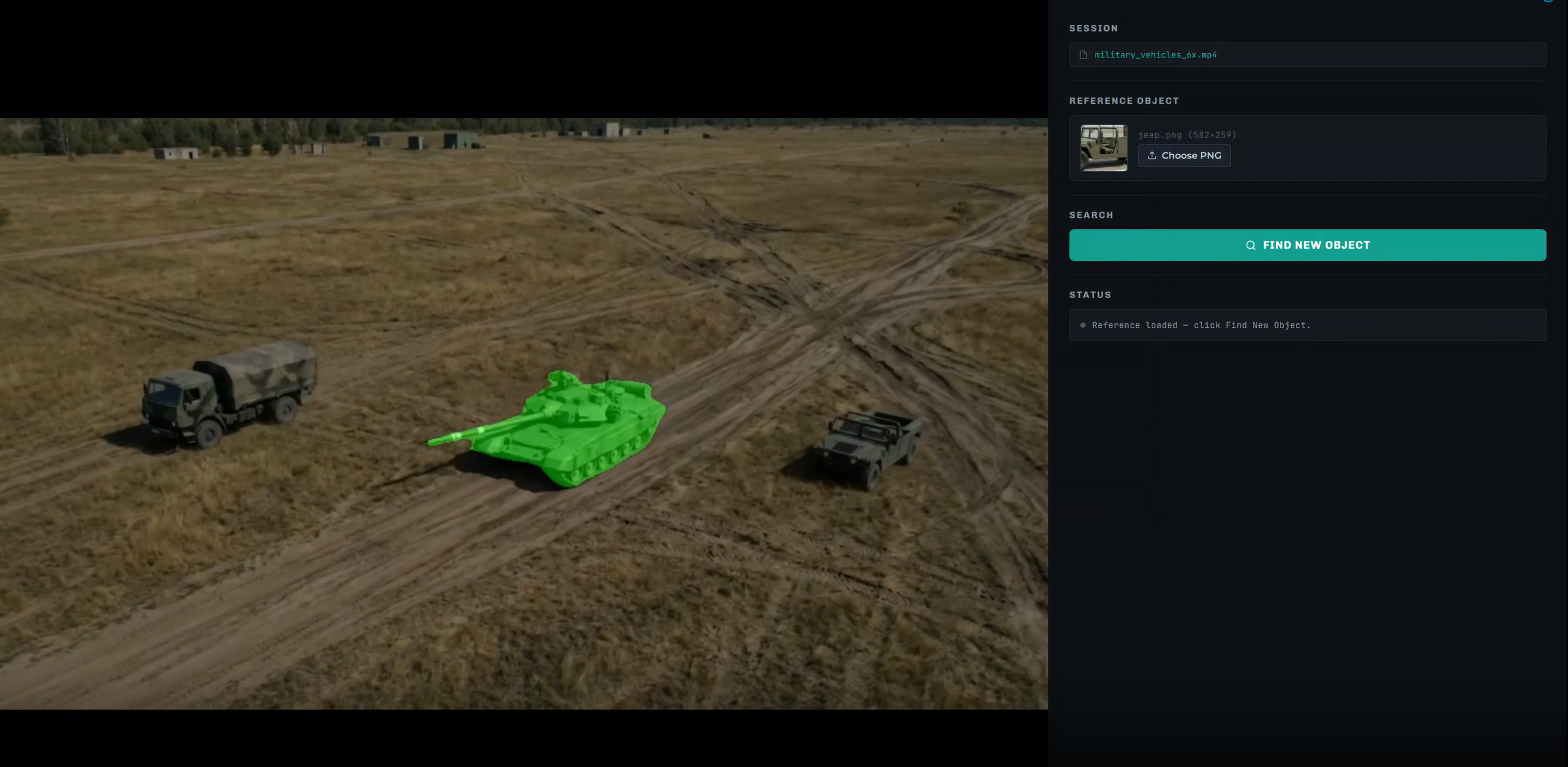
Latent AI brings foundation-model-based perception to embedded drone hardware. Our onboard ATR can acquire a target from a click, text description, image example, or existing detector, then hold track through motion, lighting changes, and occlusion. It runs on the hardware already on your platform, without cloud connectivity or a high-frame-rate camera.
demonstrated performance

6.6x

higher track success than a conventional tracker

45,000

simulated engagements across ranges, altitudes, and weather

50kb

model update demonstrated over tactical radio

WHAT IT ENABLES

The operator directs, the AI holds the target

In pilot mode, ATR runs inside the operator’s existing workflow. The operator confirms the target before anything downstream acts on it. As autonomy matures, tracks can pass directly into the autonomy stack, allowing one operator to direct more platforms without manually reacquiring every target. 

Full capability without the network

Tracking runs onboard the platform. Once the operator designates a target, the track can continue through jamming, GPS denial, and communications loss without relying on a datalink.

Custody that survives handoff

The tracker maintains a representation of the target, not just its last position. That target memory can support reacquisition when custody moves between platforms, sensors, or stages of the mission.
the problem

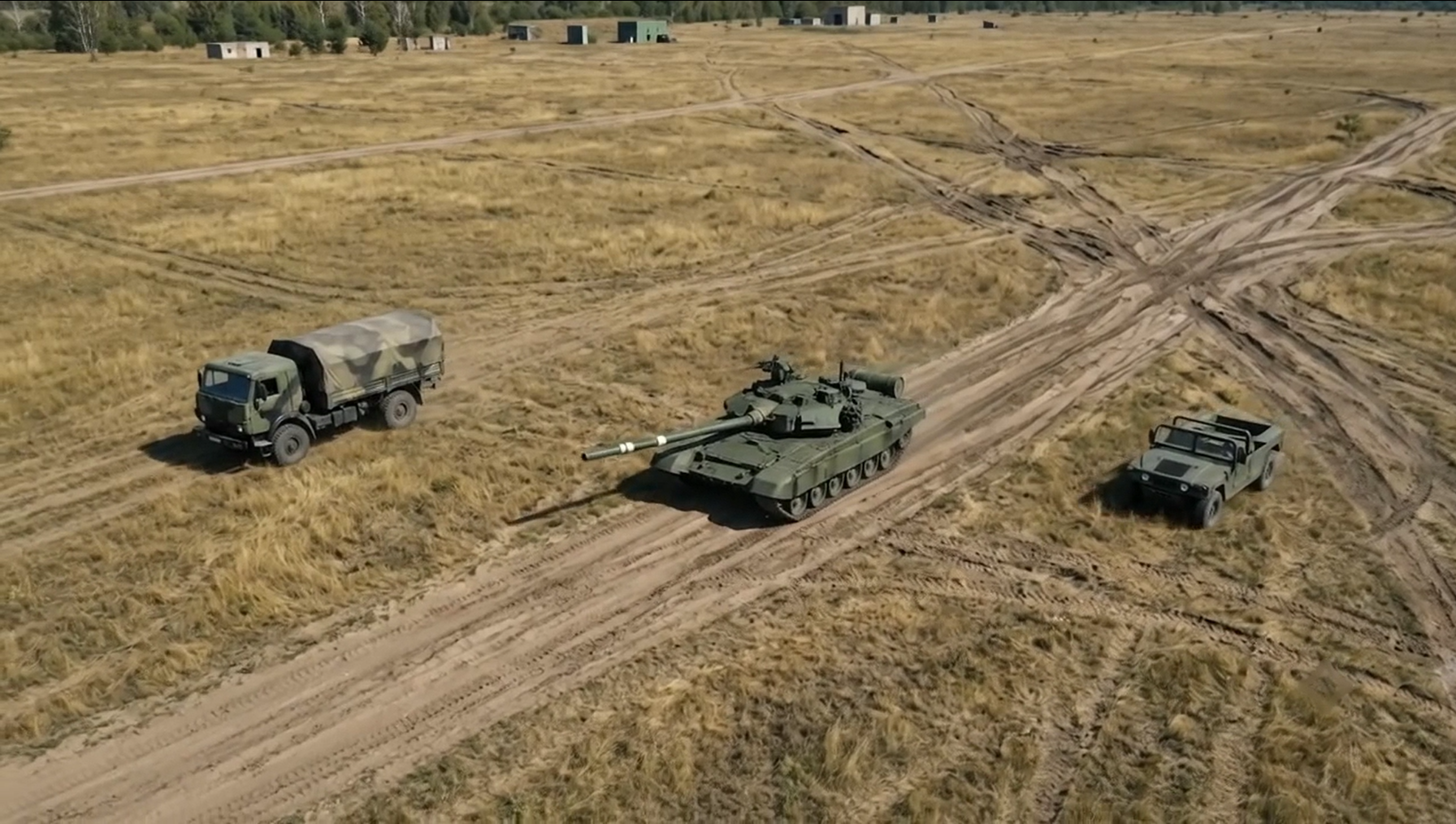
ATR breaks when the target changes

Most ATR falls into a few familiar patterns.

  • Detection-only systems identify objects frame by frame but do not maintain persistent target memory. Adding new target classes typically requires additional model development and data. 
  • Conventional trackers can maintain a pixel lock, but performance degrades as targets change appearance, move unpredictably, or disappear from view.
  • Platform-specific systems bundle perception into a particular airframe, sensor, or mission stack, making it harder to move the capability across platforms.

The harder problem is maintaining useful perception when the target, camera, platform, and network are all changing at once.

the solution
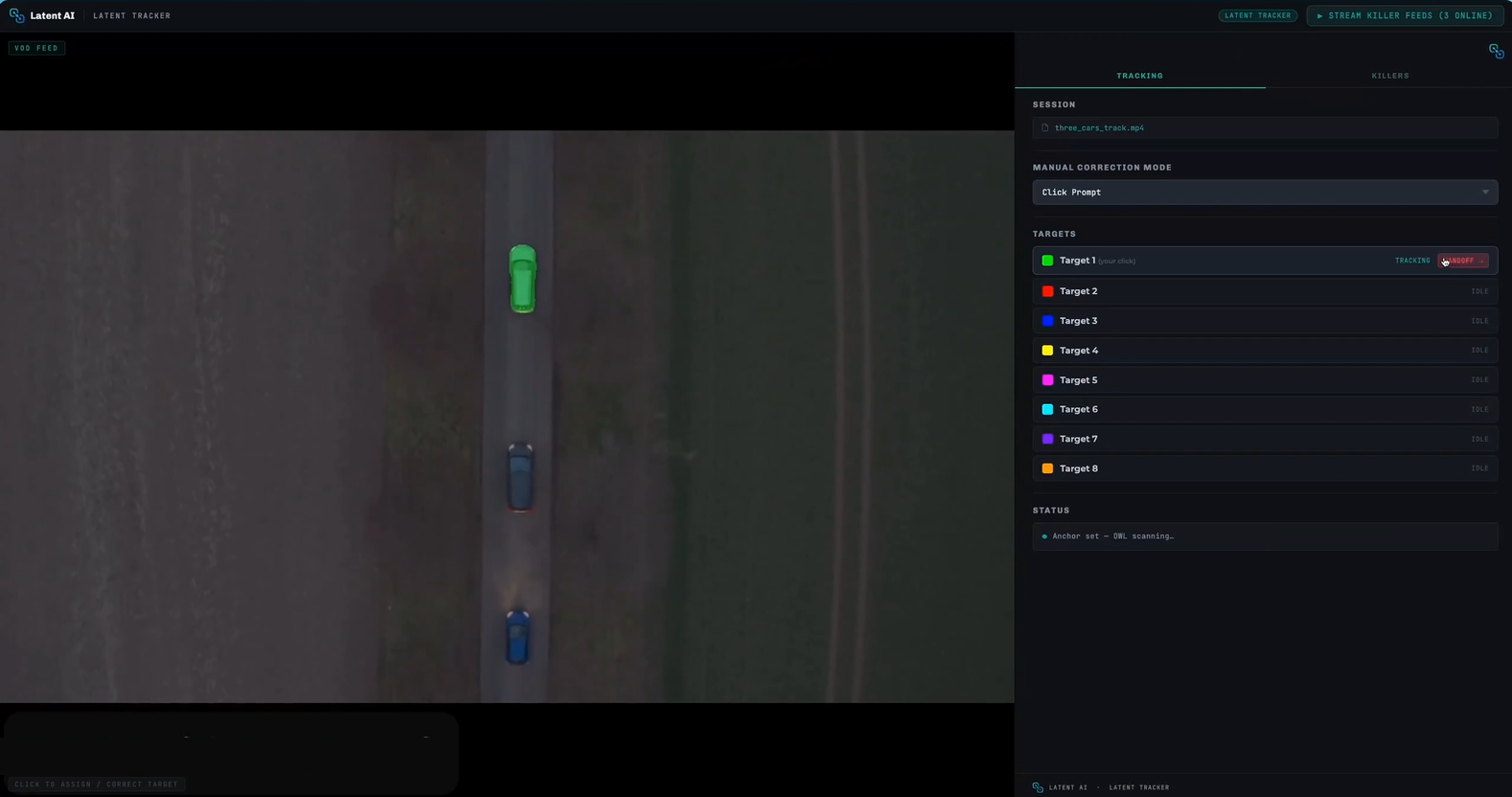
Foundation-model perception, optimized for the edge

FIND

Acquire the target

FIX

Hold custody

FINISH

Deliver or hand off

  • Cue targets however you find them: a click, class, plain-language description, image example, or existing detector output.
  • Start from a single observation: no dedicated training dataset is required to begin tracking a newly identified target.
  • See across EO and IR: use the same tracking capability across visible and thermal imagery.
  • Maintain track through change: the tracker continuously updates its representation of the target as motion, lighting, aspect, and camera conditions change.
  • Recover after occlusion: reacquire the target after temporary obstruction rather than forcing the operator to start over. 
  • Track multiple targets: maintain independent tracks, IDs, and histories across several objects in the same scene.
  • Follow through the final approach: target memory updates as the target grows in frame and its appearance changes.
  • Hand targets across platforms: shared target memory gives another platform the information it needs to reacquire the same target.
  • Pass tracks into autonomy: move from operator-confirmed cueing to machine-directed tracking as the platform’s autonomy matures.

field proven

Proven across platforms, environments, and missions

Army Project Linchpin (DEVCOM GVSC)

C-UAS detection, ATR, and multi-sensor fusion validated across EO, IR, RF, and SAR at the tactical edge.

Read the case study

Army Operation Jailbreak

Interoperability across autonomous systems and mission partners.

Learn more

Navy Project AMMO

Model update cycles reduced from six months to days in a disconnected maritime environment.

Read the case study

CDAO Swarm Forge Crucible 3

Iterative testing of AI-enabled capabilities with elite warfighting units and technology innovators.

SOCOM JATF

Selected as ATR for collaborative autonomy.

SOCOM UxS AI

ATR and edge AI capabilities evaluated for mission autonomy and interoperability across unmanned systems.

Ready to get started?

Schedule a meeting with an AI expert today.