
SOLUTIONS



captus perception
SEE IT IN ACTION
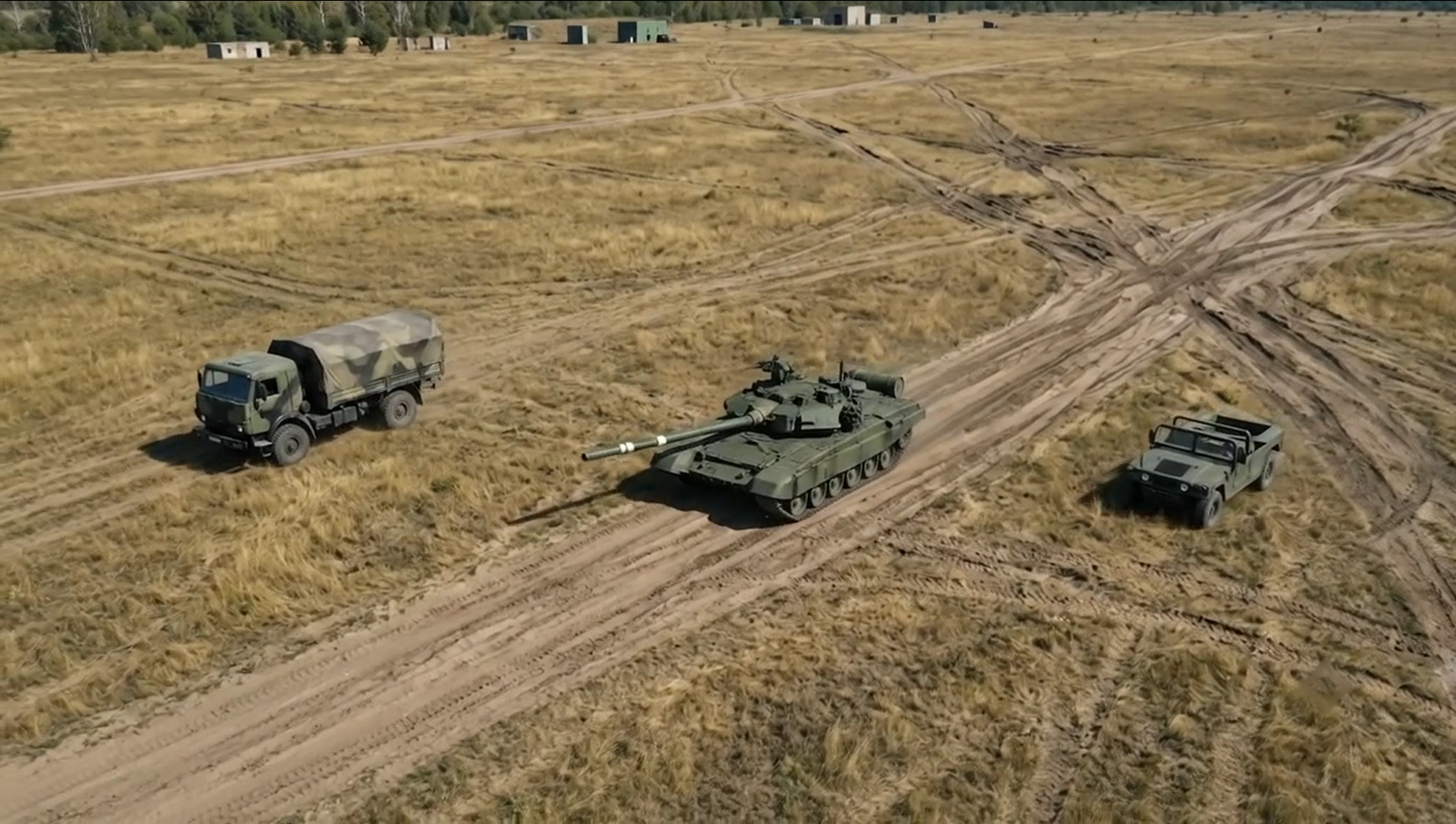
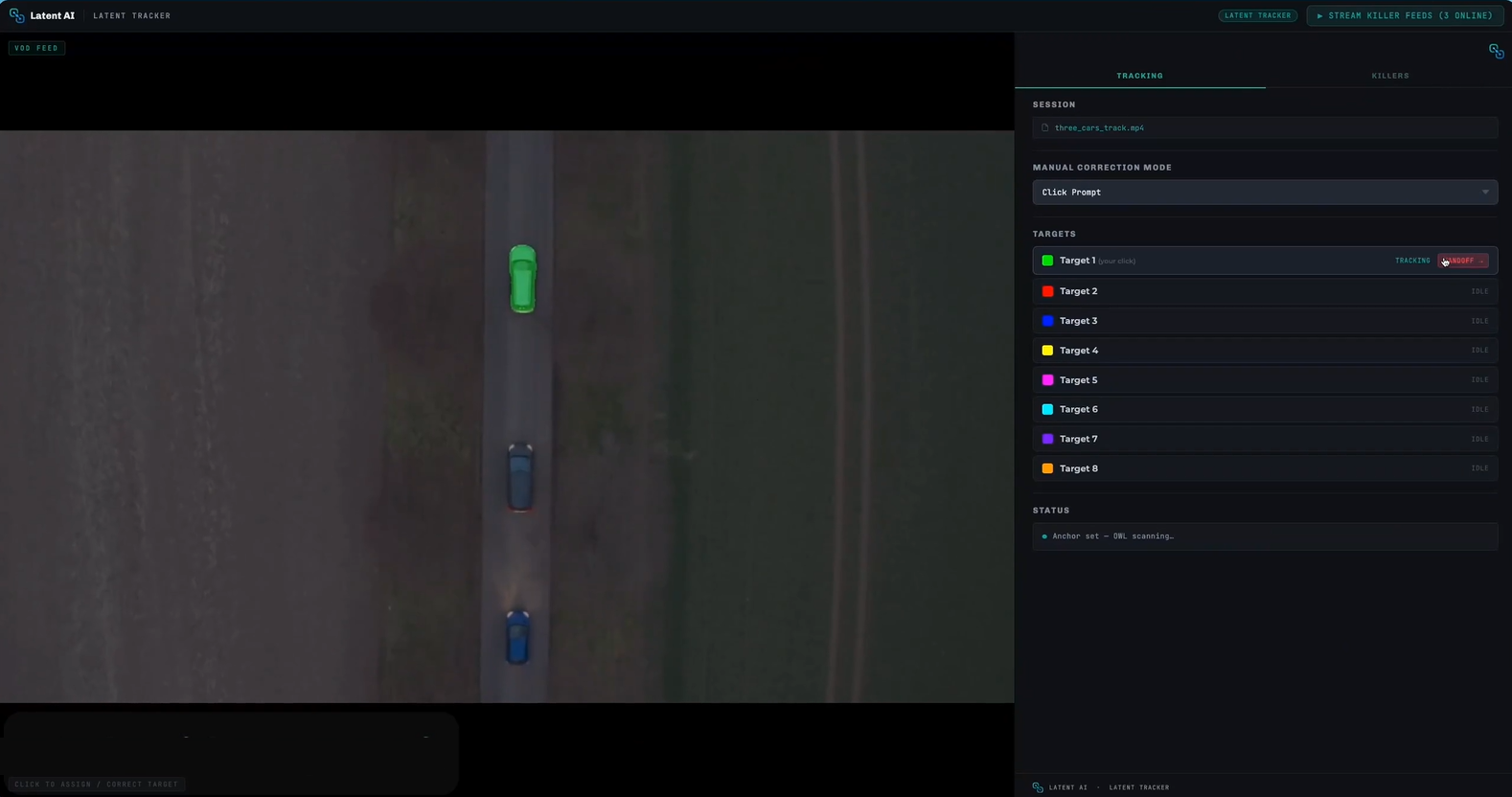
Watch Captus Perception detect and identify objects across a scene, then let the operator designate a target for persistent tracking.

Designate a target by selection, detection model, description, or image.

Maintain tracking through motion, changing conditions, and occlusion.

Recover the target when it reappears after it’s lost from view.
use case
Captus Perception is onboard software that gives Group 1-3 drones intelligent perception and target tracking. Operators can designate a target through direct selection, a text description, an image, or an existing detection model. Captus locks on, remembers what that target looks like as it turns, moves, and changes, and picks it back up when it disappears. It runs on the compute already on your platform, with no cloud link.
WHAT IT ENABLES
Captus Perception works inside the operator’s existing workflow. The operator confirms the target before anything downstream acts on it. Captus keeps it in view, so the operator can focus on the mission instead of needing to keep eyes on the target.
Tracking runs onboard. Once the operator designates a target, Captus holds it through jamming, GPS denial, and lost comms, with no datalink required.
Captus remembers what the target looks like, not just where it was last seen. When the target passes behind cover or the drone looks away mid-mission, Captus picks the same target back up instead of making the operator start over.
the problem
Most automatic target recognition falls into a few familiar patterns.
In the field, the target, the camera, the platform, and the network all change at once. That’s where most ATR breaks.
the solution


MISSION APPLICATION
Captus C-UAS uses the same lock-on and tracking core, with detection built for small drones. Find them sooner, hold track through clutter and occlusion, and feed your C-UAS stack.
field proven

C-UAS detection, ATR, and multi-sensor fusion validated across EO, IR, RF, and SAR at the tactical edge.
Interoperability across autonomous systems and mission partners.

Model update cycles reduced from six months to days in a disconnected maritime environment.

Iterative testing of AI-enabled capabilities with elite warfighting units and technology innovators.

Selected as the perception solution for collaborative autonomy.

Integrated detection and tracking with EO/IR sensors, C2, edge compute, and tactical networks from multiple partners in 48 hours.
Schedule a meeting with an AI expert today.
RESOURCES